Relaminating benchtops has long been a popular renovation option. However, many homeowners are surprised to learn how invasive and costly relaminating can actually be.
So how does it compare to vinyl wrapping?
What is benchtop relaminating?
Relaminating typically involves:
Removing old laminate
Re-preparing the substrate
Cutting and gluing new laminate sheets
Reinstalling sinks and cooktops
While effective, it’s often labour-intensive and disruptive.
Downsides of relaminating benchtops
Benchtops may need partial removal
Seams are often visible
Limited colour and texture range
Higher labour costs
Longer kitchen downtime
Relaminating also isn’t suitable if the substrate has moisture damage or swelling.
Why homeowners are choosing vinyl wrapping instead
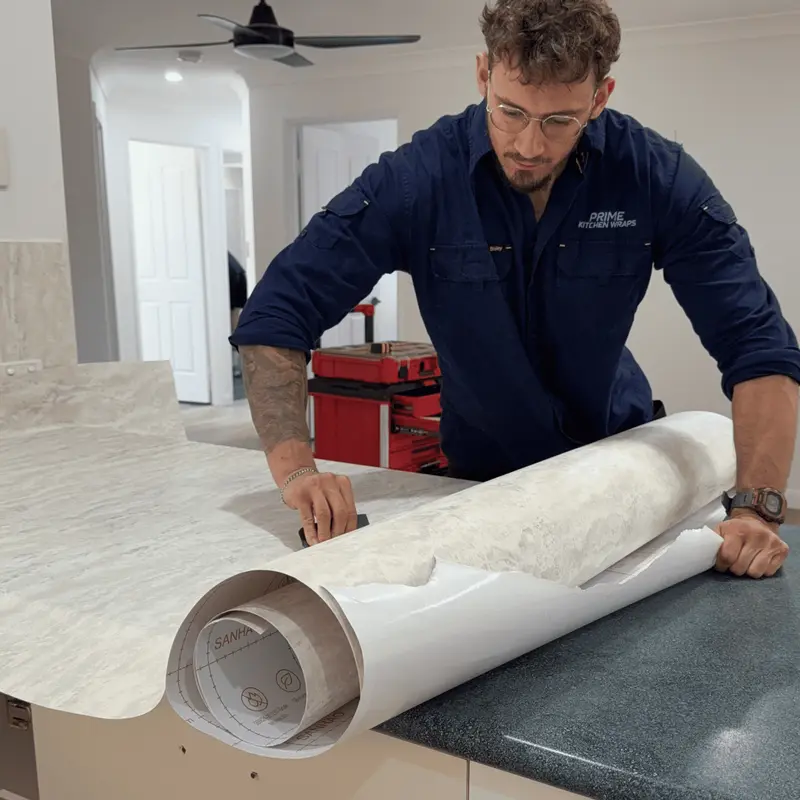
Vinyl wrapping is applied directly over the existing benchtop (when structurally sound), avoiding demolition altogether.
Benefits include:
Minimal disruption
No removal of cabinetry
Wider design range
Faster installation
Lower overall cost
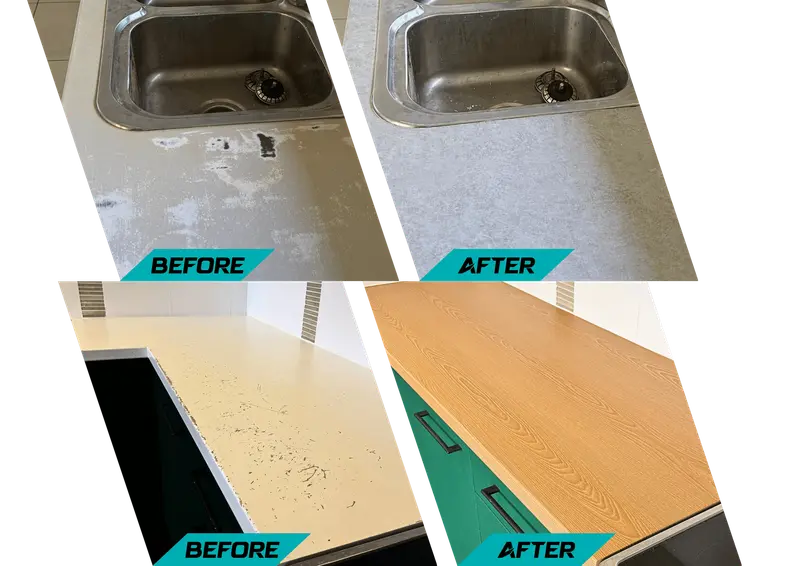
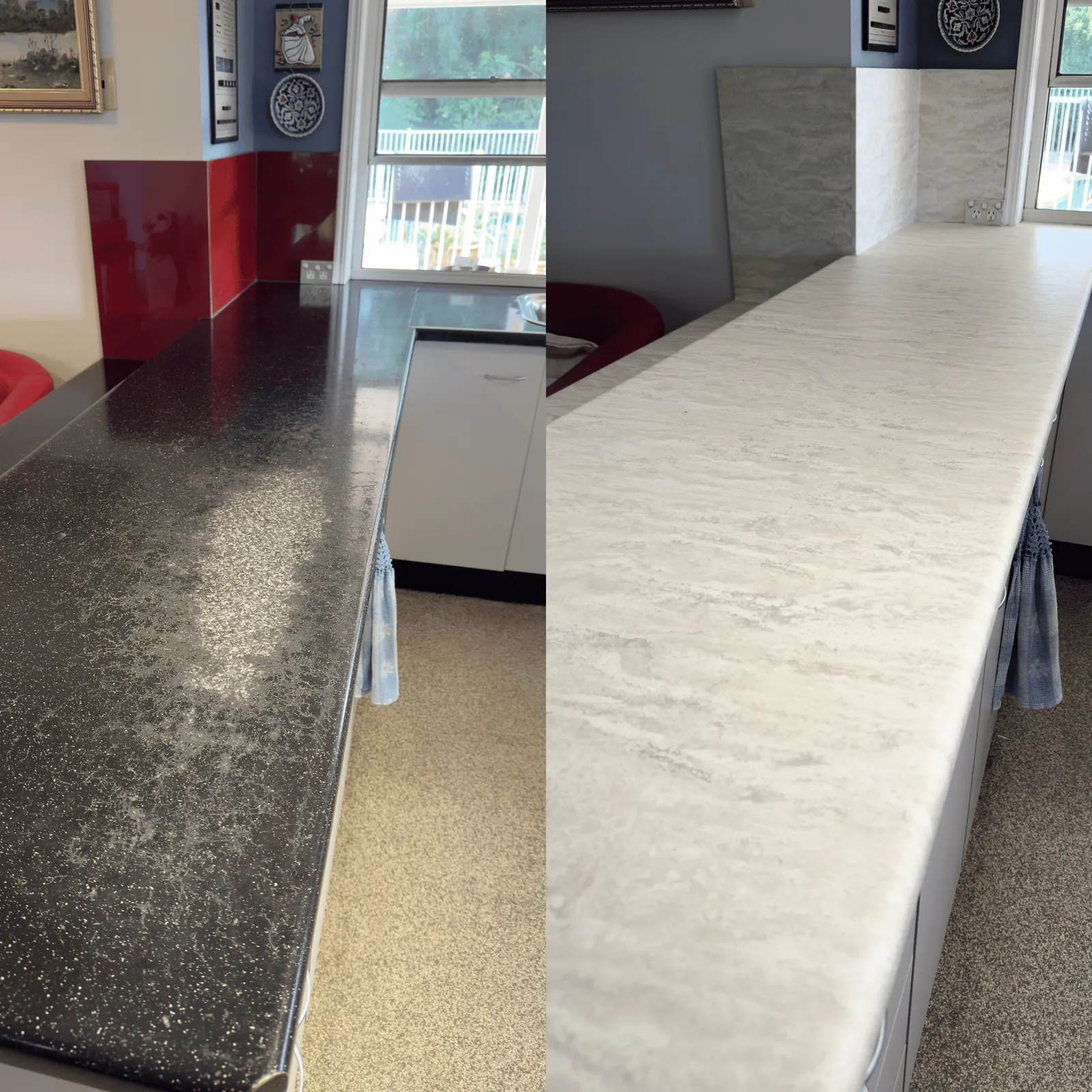
Modern vinyl films replicate stone, marble, and concrete finishes with impressive realism.
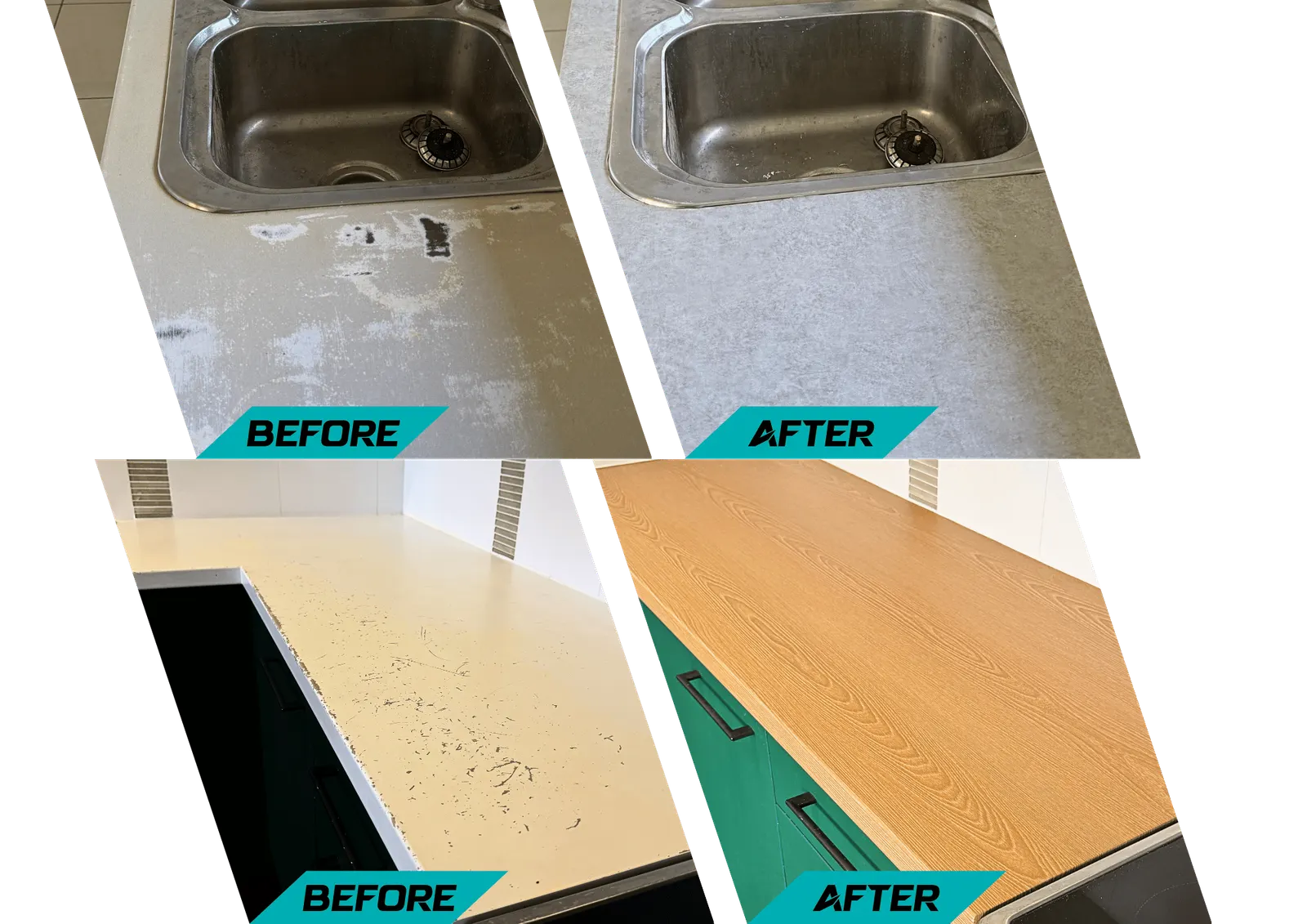
Relaminating vs vinyl wrapping
| Feature | Relaminating | Vinyl Wrapping |
|---|---|---|
| Installation time | 1 to 2 weeks | Few days |
| Mess & disruption | High | Low |
| Design options | Limited | Extensive |
| Cost | High | Mid-range |
| Seam visibility | Yes | Minimal |
See real-world results
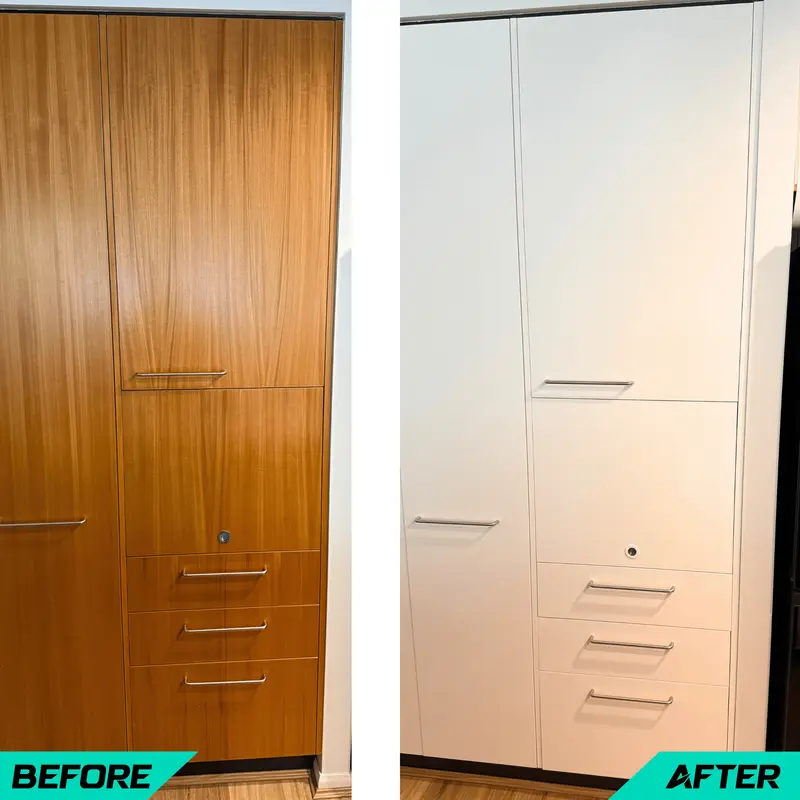
Many clients who initially consider relaminating end up choosing wrapping after seeing the finished results.
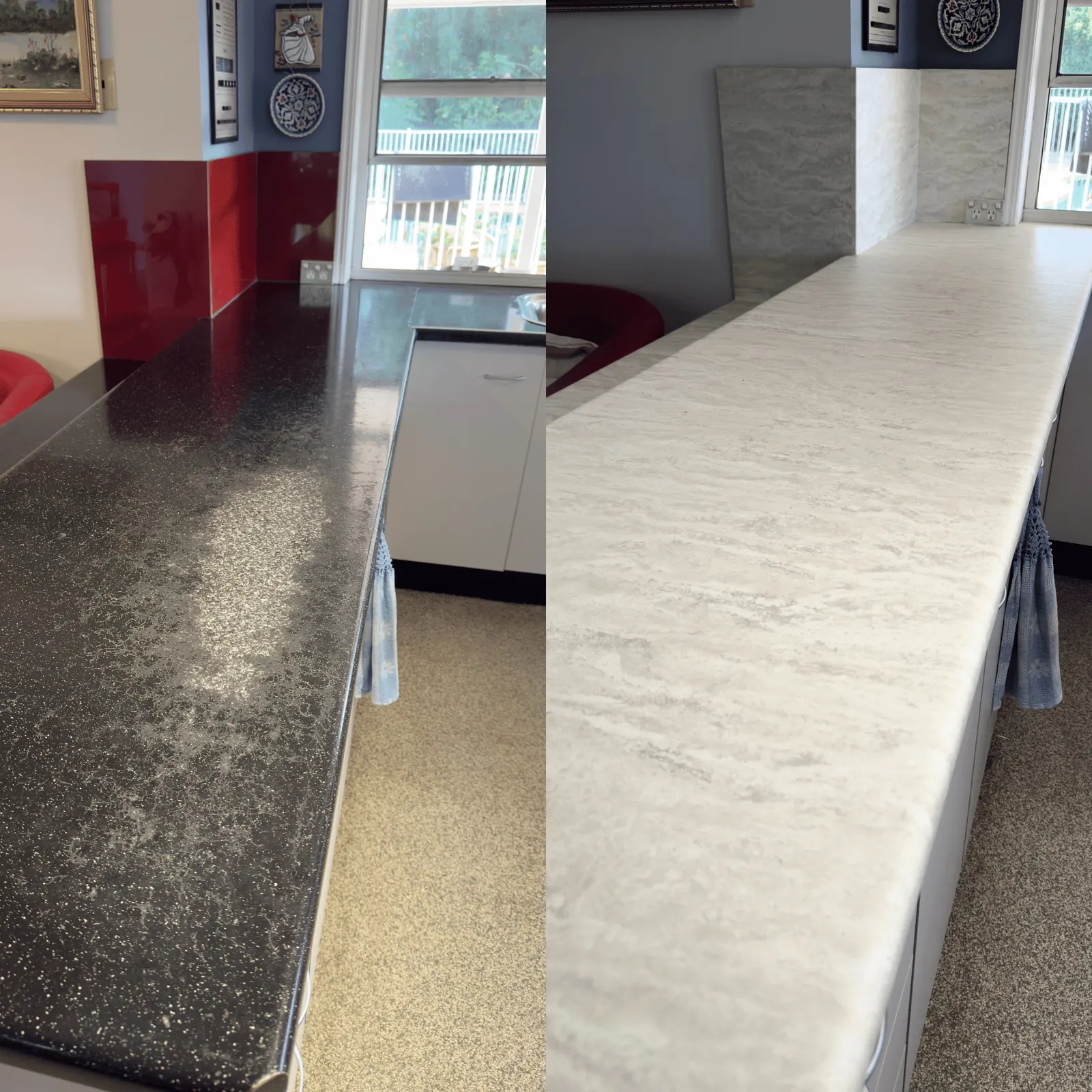
Explore Prime Kitchen Wraps benchtop transformations:
https://www.primekitchenwraps.com.au/pages/completed-projects
Thinking about your own kitchen?
Count the doors, add a photo, and a tradesman comes back with a price. No obligation.